

Corporate Banquet Planning at The Verandah Club: Meetings, Awards, and Company Events
How to Plan a Corporate Banquet in Fort Myers That Feels Effortless
If you have ever planned a company event, you know the difference between a banquet that feels effortless and one that feels improvised. The best corporate banquets move with purpose. Guests arrive smoothly, the room looks intentional, food and beverage timing supports the program, and the experience reinforces what your organization values.
That is why choosing a corporate banquet venue in Fort Myers is not just about square footage. It is about flow, service, and the ability to make a room feel like it was designed for your team.
At The Verandah Club, corporate hosts can bring meetings, awards, and celebrations under one roof while still giving guests a setting that feels special. From a structured agenda to a relaxed networking reception, the goal is the same: create a polished event that feels welcoming, runs on time, and leaves people proud to be part of your organization.
If you are exploring event options, start with the Club’s private parties and special events page to get a feel for the types of gatherings the team supports. For a broader overview of the setting and event atmosphere, visit the weddings and events section.
1) Define the purpose before you design the program
Most corporate banquets fall into three buckets: recognition, alignment, or relationship building.
Recognition events include a company awards banquet, service anniversaries, sales celebrations, and leadership acknowledgments. Alignment events include annual meetings, departmental kickoffs, and strategic updates where the goal is clarity and momentum. Relationship events include client appreciation nights, partner receptions, and recruiting gatherings where the experience must feel intentional and high trust.
Once you name the primary purpose, the agenda decisions become easier. An awards banquet typically needs a defined focal point for the program, clear audio, and dinner timing that supports speeches. A meeting-heavy day benefits from comfortable seating, breaks that reset attention, and food service that does not interrupt key moments. A client or partner event benefits from a layout that encourages conversation and a timeline that leaves space for connection.
A helpful exercise is to write a one-sentence promise for guests. Something like, “You will leave knowing our 2026 priorities and feeling appreciated for your work,” or “You will feel celebrated and connected to the team.” That sentence becomes the filter for everything else, from menu style to room setup to how long the program runs.
2) Build the guest experience from arrival to farewell
When hosts think about corporate event planning, they often start with the program. Guests start with parking, check-in, and first impressions. If arrival feels confusing, everything that follows feels harder.
A smooth flow begins with a simple plan: where guests enter, where they check in, where they grab a beverage, and where they naturally gather before the program begins. For events with mixed audiences, such as employees plus spouses, clients, or board members, think about how you will welcome everyone without making anyone feel like an outsider. A brief greeting moment, a visible host, and clear signage at key points go a long way.
When you tour a meeting venue Fort Myers teams would actually enjoy, ask yourself practical questions. Can guests find the room without guesswork? Is there an obvious place to mingle? Does the layout support the way you want the event to feel? These are the details that turn a standard banquet into a confident experience.
3) Choose a format that matches your audience and your message
Meetings and presentations
For meeting-focused events, attention is the scarce resource. Build an agenda that respects it. Start on time, keep presentations crisp, and schedule breaks before people need them.
If you need deep focus, choose a plated lunch or a controlled buffet window so the room is not in motion while key messages are delivered. If your meeting includes sensitive content, consider how the room layout supports visibility and discretion.
A common mistake is trying to fit too much into one continuous session. A better approach is to plan in segments: content, break, content, break, then a transition into a more social portion. That transition can be as simple as moving from a meeting layout to a reception-style flow, or as structured as a short welcome toast that reframes the next part of the day.
Awards banquets and recognition nights
Recognition events live or die on pacing. Guests want the celebration, not a marathon. If you have many award categories, consider grouping them into sections with short transitions, rather than back-to-back speeches with no reset. A host or emcee can keep the tone warm and the timing tight.
Plan stage management, even if your “stage” is simply a focal area. Make sure award recipients know where to walk, where to stand, and when photos happen. That clarity reduces awkward pauses and keeps the program feeling professional.
Client appreciation and relationship events
For client-facing gatherings, your event is a message. The goal is to create a setting where conversation is easy and hospitality feels consistent. Consider a cocktail reception followed by a shorter program and a dinner that encourages guests to stay and connect.
If you want guests to leave with a clear takeaway, build it into the experience rather than handing them a brochure. A short leadership toast about shared goals can feel more genuine than a long presentation.
4) Plan food and beverage around moments, not just menus
Food is not an add-on. It is the rhythm of the event. The timing of appetizers sets the mood for networking. The timing of the first course signals when the program begins. Dessert can either be a celebration moment or a cue that the evening is winding down.
Start by mapping the timeline. Identify the moments that must feel uninterrupted: welcome remarks, the keynote, award announcements, or client thank-yous. Then coordinate meal service to support those moments. Plated meals can feel polished and predictable. Buffets can feel social and flexible. Stations can create movement and encourage conversation. The right choice depends on your purpose and your audience.
You can learn more about on-site hospitality by exploring the Club’s restaurant and dining amenities, which can help you picture how food service can be tailored to a meeting, banquet, or reception-style event.
5) Use the setting to elevate the experience without overcomplicating it
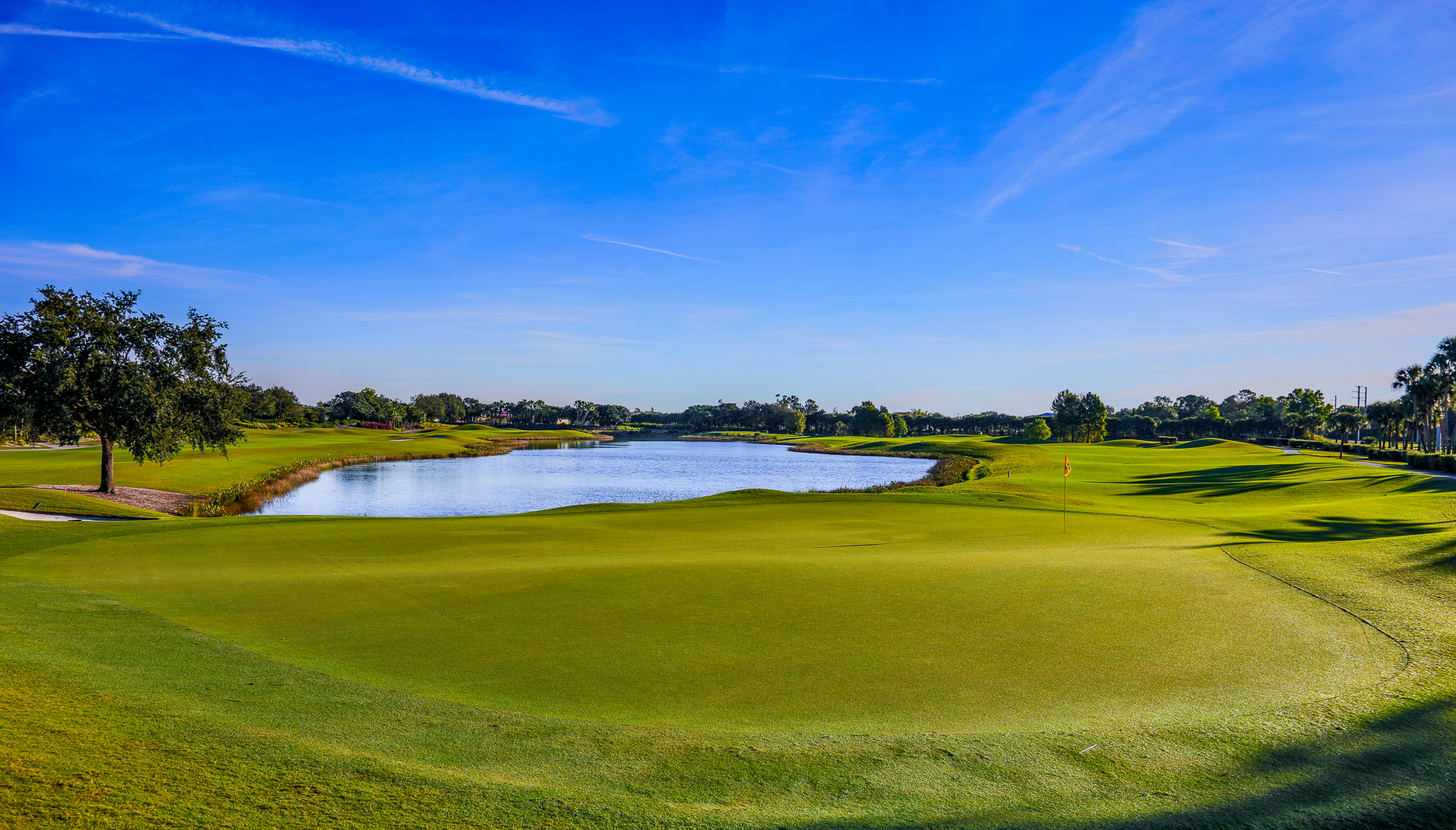
A club setting gives you a built-in advantage: a sense of place. When guests arrive to a well-kept property, the event feels elevated before a single word is spoken. The key is to use the setting in a way that supports the event rather than distracting from it.
If your team values experiences, consider a short add-on that fits the schedule, such as a putting contest or a casual clinic that serves as a fun transition into dinner. If team-building is part of your agenda, the Club’s golf experience can be a natural way to add a relaxed, memorable touch before or after your main program.
6) Add optional experiences that strengthen connection
Corporate events often serve a hidden purpose: helping people feel connected to each other and to the organization. Optional experiences work best when they are simple, inclusive, and well-timed. The goal is to create shared moments that make conversation easier, not to turn a banquet into a festival.
For mixed groups, experiences that do not require specialized skill tend to work best. A short putting challenge, a casual networking hour by the pool, or a relaxed social game can create energy without splitting the room into insiders and outsiders.
If your event is multi-day or includes families, the Club’s broader amenities overview can help you plan optional downtime. Guests can also enjoy pickleball, tennis, or a resort-style pool experience as low-pressure connection points.
7) Nail the logistics that keep leadership confident
Leadership teams care about details because details protect the brand. Even a casual company celebration needs a logistics plan that feels deliberate.
Confirm your timeline, speaker needs, and run-of-show early. Decide who owns transitions: who welcomes guests, who introduces speakers, who cues music, and who signals when dinner begins. If you have presenters, brief them on time limits and where they will stand. If awards are involved, prep the order, the pronunciation of names, and the photo plan. If guests have dietary needs, handle it with discretion and clarity.
It also helps to create a one-page event brief: the timeline, key contacts, and the moments that cannot move. Even if you never show that document to guests, it keeps the team aligned and reduces last-minute stress.
8) Make it easy for guests to say yes
The best corporate events feel easy from the moment the invitation arrives. Give guests the information they need: date, start and end time, attire, parking notes, and whether spouses or partners are invited. If the event includes an agenda, share the basics so guests know what to expect. If you are celebrating achievements, tell people why this night matters.
If you want high attendance, remove friction. Make RSVP simple, provide clear contact information for questions, and plan the evening so it ends when you say it will. That reliability builds trust and makes guests more likely to attend future events.
9) Bring it all together with a confident close
A strong ending gives the event emotional shape. For a meeting, the close might be a clear summary and a next-step statement. For a company awards banquet, it might be a final toast that reinforces the culture you want. For a client event, it might be gratitude expressed in a way that feels human, not scripted.
Also plan the last fifteen minutes. Guests should know whether the evening ends with dessert, a final photo, a gift, or a casual send-off. When you close well, you protect the memory of the entire night.
If you are ready to plan a meeting, awards night, or company celebration with a setting that feels elevated and service that supports your goals, the team at The Verandah Club can help you map the timeline, menu, and flow. Visit the contact page to start the conversation and begin planning an event your guests will remember for the right reasons.